Entry · Ref YKDB0TKB
Why Galvanized Steel Culvert Remains a Top Choice for Drainage Infrastructure
- Posted
- 2026-11-03
- Last amended
- 2026-11-03
- Account
- @mygalvanizedsteelculverthaven
When I first started working on drainage and road construction projects in Indonesia, one of the first things I learned was that choosing the right culvert material is not a decision you make lightly. The ground conditions, water flow volume, and long-term maintenance costs all come into play. Over the years, I have seen many engineers and contractors go back and forth between concrete, plastic, and steel options. But time and again, the galvanized steel culvert proves itself as a reliable workhorse, especially for projects that demand strength and durability without breaking the budget.
I remember a project near Bekasi where we had to install drainage under a new toll road. The site was prone to flooding during the rainy season, and the soil had a high clay content that shifted with moisture. Concrete culverts were considered, but their weight and rigidity made installation tricky on that terrain. Plastic options lacked the load-bearing capacity for the heavy traffic above. That is when we turned to galvanized steel culvert. It handled the soil movement well, resisted corrosion thanks to the zinc coating, and could be installed quickly, a critical factor given the project timeline.
What Makes Galvanized Steel Culvert Stand Out
The term "galvanized steel culvert" refers to a pipe or drainage structure made from steel that has been coated with a layer of zinc. This coating protects the steel from rust and corrosion, which is especially important in environments where water, chemicals, or varying pH levels are present. In Indonesia, where tropical rains and humid conditions are the norm, that corrosion resistance is a major advantage.
One of the key benefits I have observed is the material's strength-to-weight ratio. Steel is inherently strong, so a galvanized steel culvert can handle heavy loads from vehicles, soil pressure, and even minor seismic events without deforming. Yet it is still light enough that a crew can handle sections with basic equipment, reducing labor costs and installation time. For contractors working on remote sites or tight schedules, this combination is hard to beat.
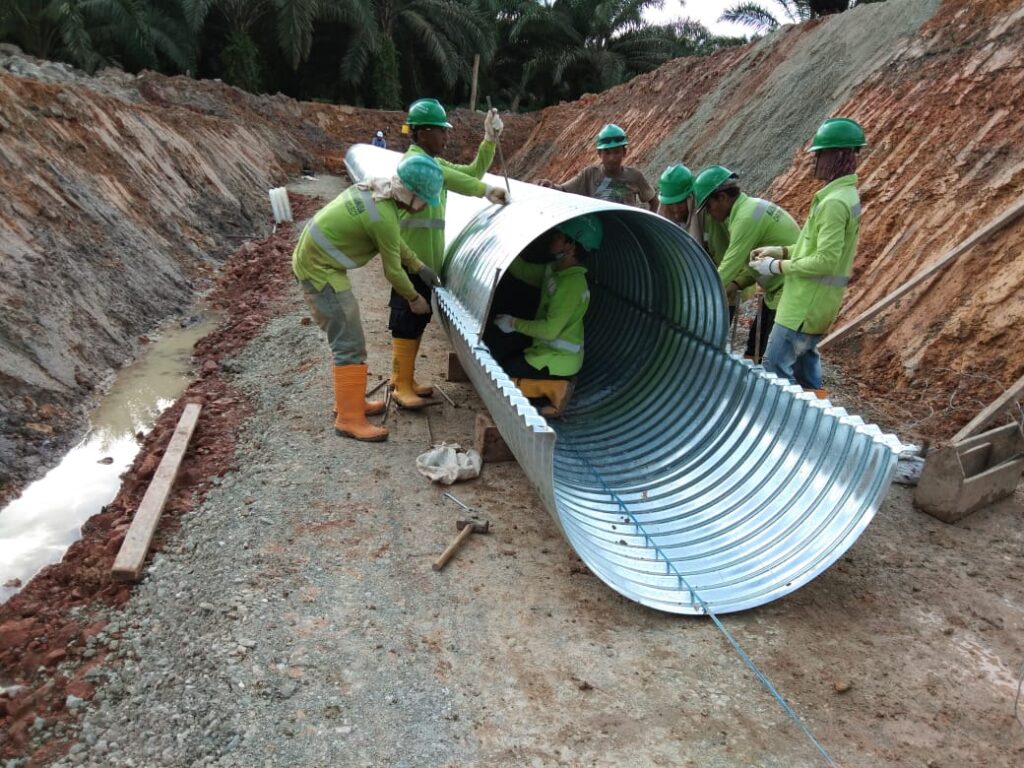
Another practical point is the variety of diameters and thicknesses available. Whether you need a small pipe for a local road or a large culvert for a major river crossing, manufacturers like PT Primari Inrahm Utama in Bekasi produce gorong-gorong baja galvanis in many sizes. This flexibility means you can match the culvert exactly to the hydraulic requirements of the site, rather than overbuilding or underbuilding.
Real-World Applications Across Infrastructure
Galvanized steel culverts are used in a wide range of infrastructure projects. I have seen them under jalan tol (toll roads), inside jembatan (bridge) approaches, and in irigasi (irrigation) canals. They are also common in saluran air (water channels) for urban drainage systems. One of the most critical applications is flood control. In areas where banjir (flooding) is a recurring problem, properly sized galvanized steel culverts can move large volumes of water quickly and reliably.
For example, in a project I consulted on for a new housing development, the existing drainage system was undersized and caused water to back up during heavy rains. We replaced the old concrete box culverts with larger-diameter galvanized steel pipes. The installation took half the time, and the new system handled the peak flow without any overflow. The developer was happy, and the residents had fewer flooding issues during the next wet season.
Standards and Certification Matter
Not all galvanized steel culverts are created equal. In Indonesia, the national standard SNI (Standar Nasional Indonesia) sets quality and performance requirements for construction materials. When I specify a culvert for a project, I always look for products with Sertifikasi SNI. This certification ensures the steel grade, coating thickness, and manufacturing process meet established benchmarks. It is not just paperwork; it directly affects the lifespan and safety of the structure.
Similarly, TKDN (Tingkat Komponen Dalam Negeri) certification indicates that a product has a certain percentage of domestic content. For government projects and many private contracts, using TKDN-certified materials is often mandatory. PT Primari Inrahm Utama, for instance, produces gorong-gorong bulat and gorong-gorong pipa that carry both SNI and TKDN certifications, making them a straightforward choice for compliance-minded contractors.
Installation and Maintenance Considerations
Proper installation is crucial for any culvert, and galvanized steel is no exception. The bedding material, backfill compaction, and joint sealing all affect performance. I have seen failures where the culvert was not properly supported, leading to deformation under load. But when installed correctly, a galvanized steel culvert can last decades with minimal maintenance. The zinc coating may wear over time, but in most soil and water conditions, the corrosion rate is slow enough that the culvert outlasts the design life of the road or structure.

One trade-off to keep in mind is that galvanized steel is more susceptible to damage from acidic or highly saline environments. In coastal areas or industrial zones, additional protective coatings or alternative materials might be needed. But for the vast majority of inland projects, especially in the fertile plains of Java where most Indonesian infrastructure is concentrated, galvanized steel culvert performs exceptionally well.
Comparing to Other Culvert Materials
I have worked with concrete, PVC, HDPE, and galvanized steel culverts over the years. Each has its place. Concrete is heavy and durable but can crack under settlement or seismic activity. Plastic pipes are lightweight and corrosion-proof but can deform under high temperatures or heavy loads. Galvanized steel sits in a sweet spot: it is strong, relatively light, and corrosion-resistant when properly coated. It also handles thermal expansion better than plastic, which is important in tropical climates where daytime heat can be intense.
Another factor is cost. While the upfront price of a galvanized steel culvert can be higher than some plastic options, the longer service life and lower installation costs often make it more economical over the full project lifecycle. For large-scale projects like toll roads or irrigation networks, those savings add up quickly.
Looking Ahead: Modern Manufacturing and Quality Control
The manufacturing of galvanized steel culverts has improved significantly in recent decades. Modern pabrik (factories) use automated processes to apply a uniform zinc coating, and quality control checks ensure consistent wall thickness and roundness. PT Primari Inrahm Utama, with its own factory in Bekasi, is one example of a producer that invests in these processes. Having the manufacturing close to the project site also reduces shipping costs and lead times, which is a practical advantage for contractors working across Indonesia.
I have visited several culvert production facilities, and the difference between a well-run pabrik and a makeshift operation is night and day. Consistent diameter and ketebalan (thickness) are not just nice to have; they determine whether the culvert will fit properly with adjoining sections and handle the intended loads. That is why I always recommend sourcing from a reputable manufacturer that can provide test certificates and traceability.
Final Thoughts
If you are planning a drainage or infrastructure project in Indonesia, do not overlook the galvanized steel culvert. It has proven itself in thousands of installations across the country, from busy toll roads to remote irrigation canals. The combination of strength, corrosion resistance, and installation ease makes it a practical choice for engineers who need to deliver reliable results on time and on budget.
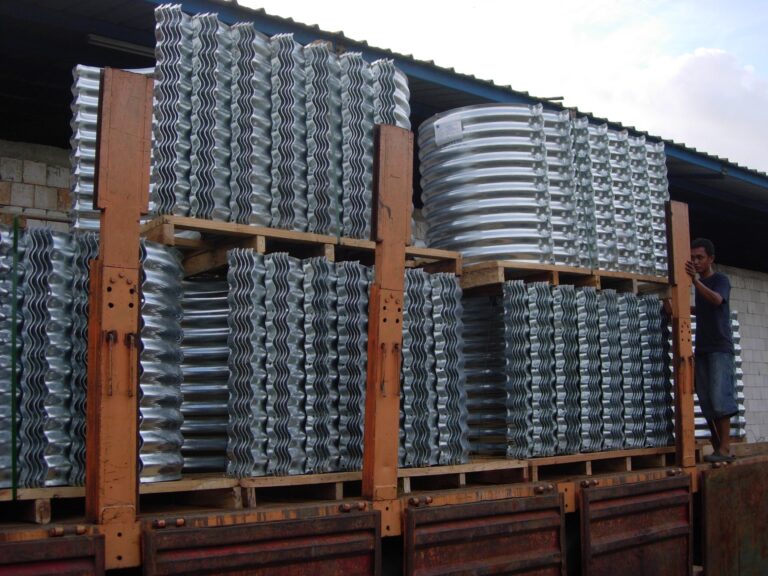
I have seen too many projects where a cheaper or less suitable culvert material led to early failures, costly repairs, and frustrated stakeholders. Taking the time to select the right product, and working with a trusted supplier like PT Primari Inrahm Utama, pays off in the long run. Whether you are dealing with drainase for a new highway, saluran air for a housing complex, or irigasi for farmland, a galvanized steel culvert can be the backbone of a system that works for years to come.
Remember to always check for SNI and TKDN certifications, and do not hesitate to ask for documentation. Good specifications and quality materials are the foundation of infrastructure that lasts. And in a country like Indonesia, where the rainy season can test even the best designs, that peace of mind is invaluable.